















Composite Applications For Outdoor Screening
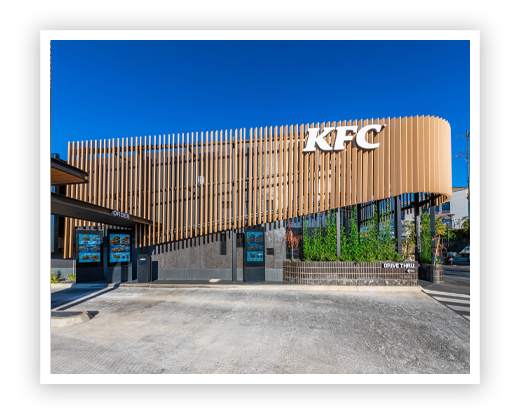
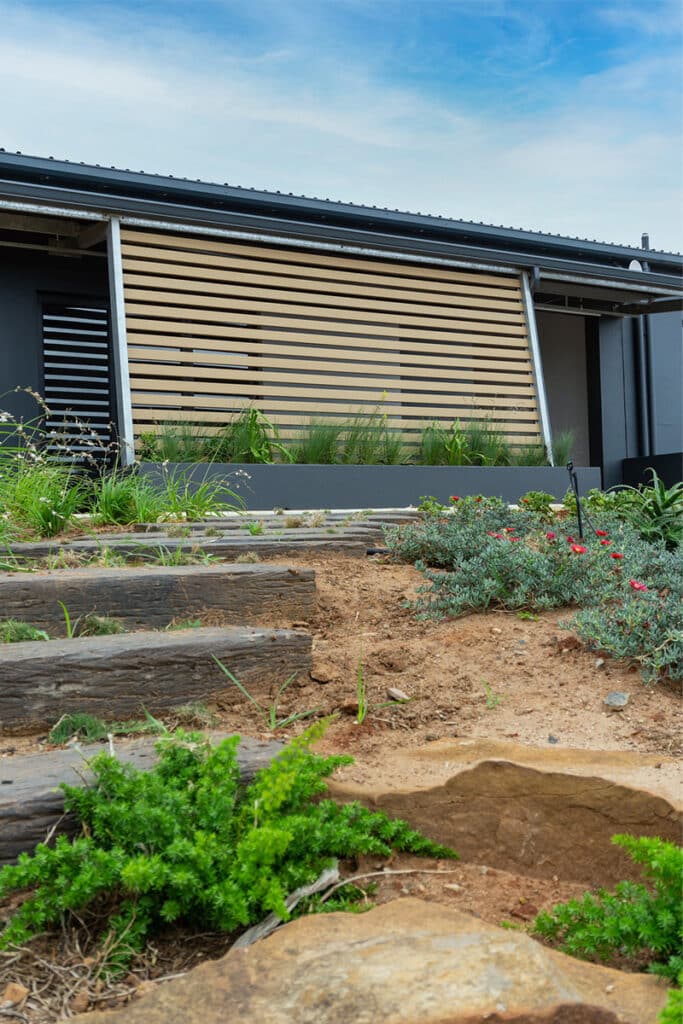
Outdoor screening can change the way a space looks, feels, and functions. It can create privacy, define different outdoor zones, screen off less attractive areas, add shade, or introduce a strong architectural feature to a residential, commercial, or hospitality setting.
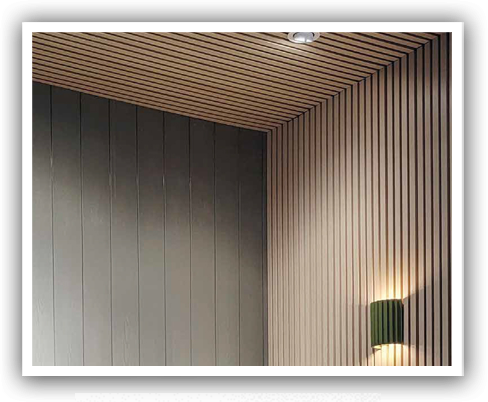
Eva-Last offers a range of composite and architectural solutions that can be used to create low-maintenance, weather-resistant outdoor screens with the warm, natural look of timber. The best option will depend on the design intent, whether the screen is visible from one or both sides, the required level of privacy, the installation direction, and the supporting frame.
Why Choose Eva-Last for Outdoor Screening?
Outdoor screens are exposed to sun, rain, moisture, temperature changes, and everyday wear. Natural timber can create a beautiful look, but it often needs ongoing maintenance and can be prone to rotting, warping, splitting, cracking, and fading over time.
Eva-Last products offer a more practical alternative for outdoor screening, with many of the benefits homeowners, designers, and commercial property owners look for:
- A natural timber-look finish
- Low-maintenance performance
- Resistance to moisture, insects, rot, and weathering
- Splinter-free surfaces
- Long-term outdoor durability
- A choice of colours, finishes, and profile options
- Solutions for decorative, privacy, and architectural screens
What to Consider When Choosing Outdoor Screening
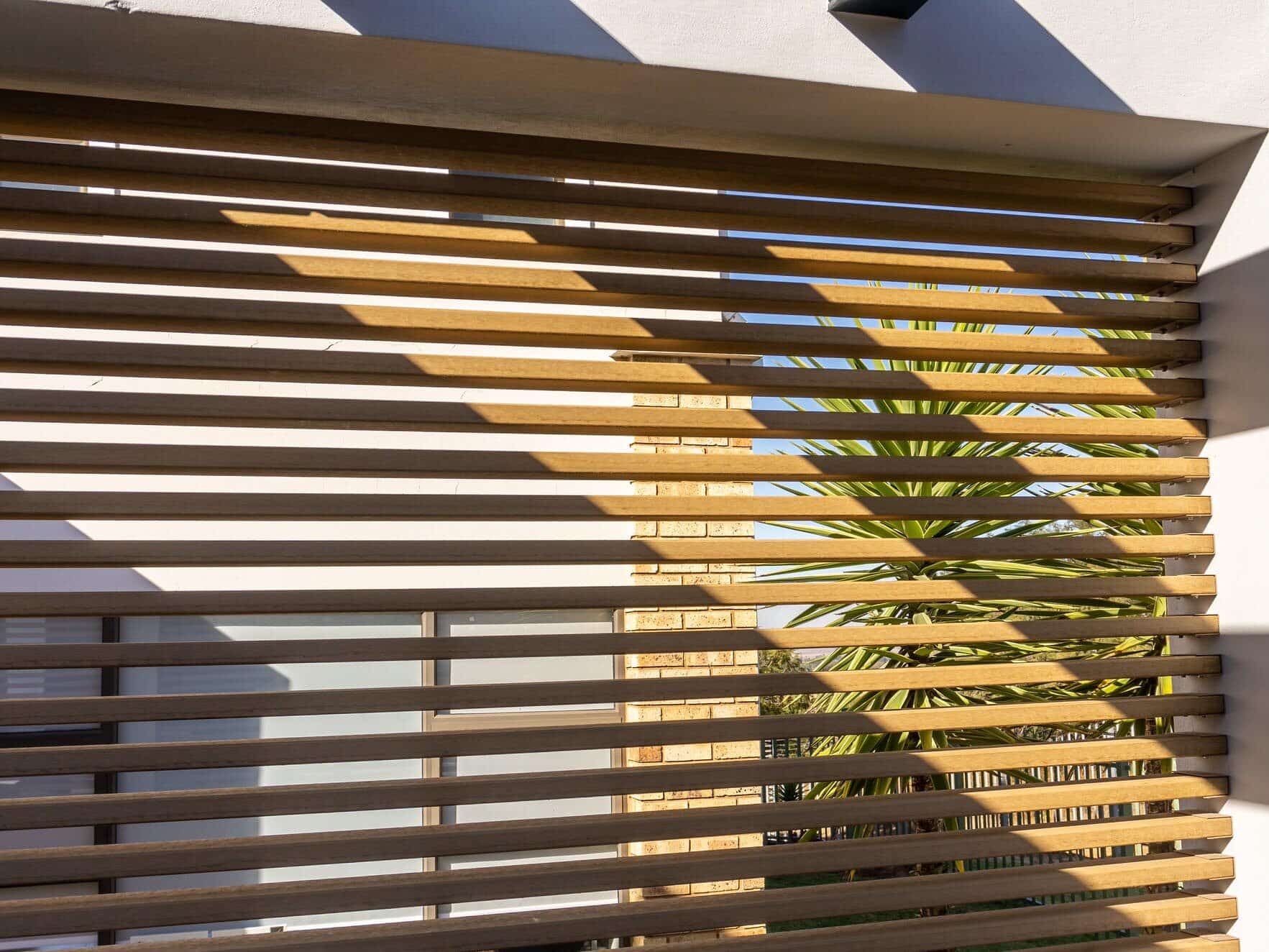
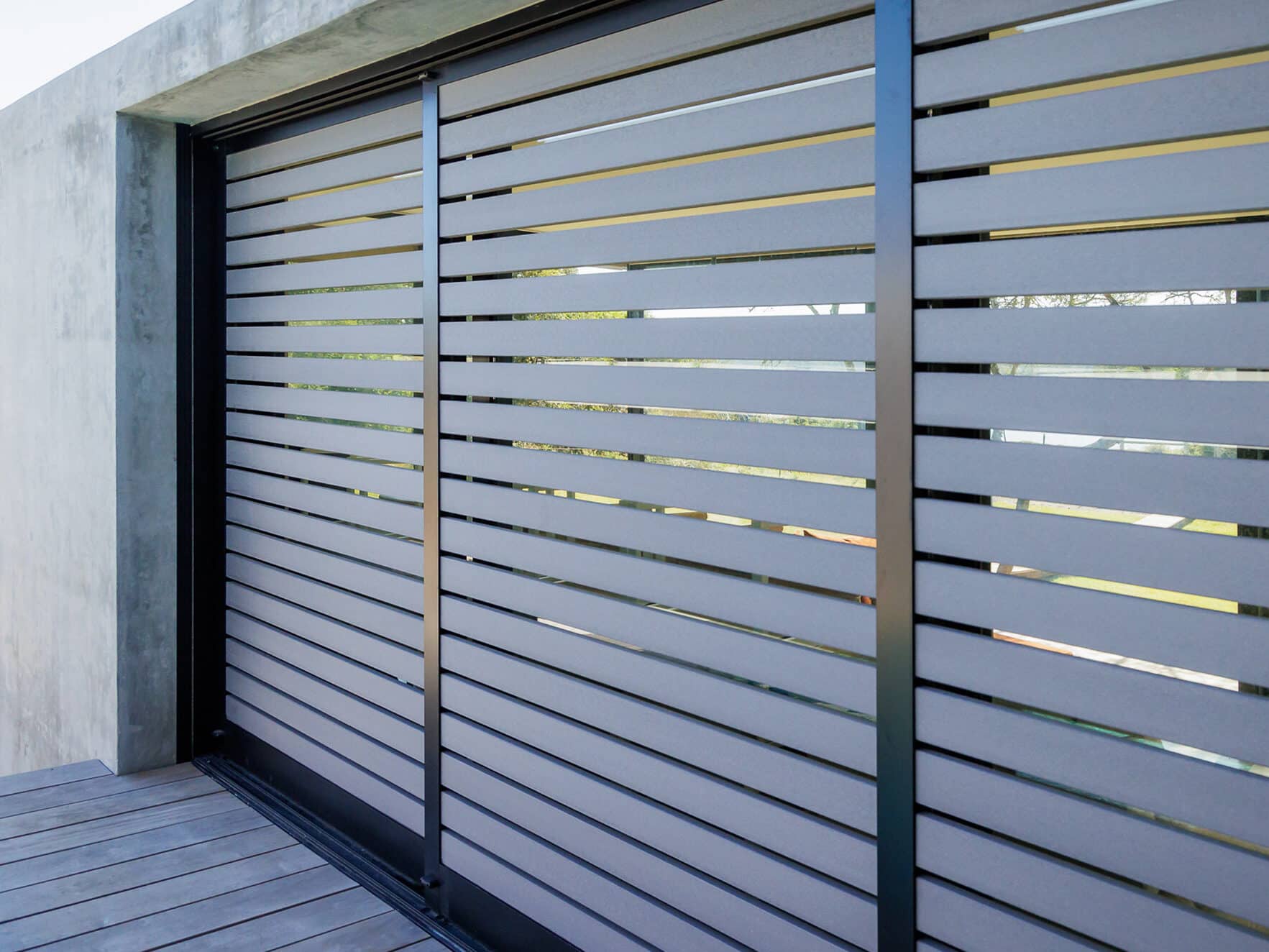
What is the screen for?
The first question is whether the screen is mainly decorative, functional, or both. A feature screen may focus on colour, texture, and profile choice, while a privacy screen needs to consider sightlines, spacing, board width, and height.
Will the screen be visible from both sides?
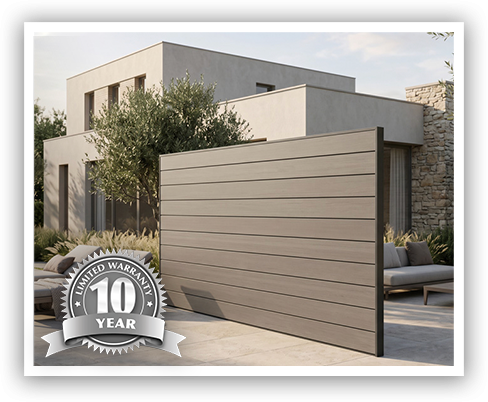
Many outdoor screens are seen from both sides, especially when used between outdoor areas, around patios, or as freestanding partitions. In these cases, a double-sided product is usually preferred. If the screen is only being used to cover a wall, service area, or frame, a single-sided finish may be suitable.
How much privacy is needed?
Privacy depends on the profile width, spacing between boards, and whether the boards are installed vertically, horizontally, or in an overlapping pattern. Narrower spacing creates a more private screen, while wider spacing allows more light, air, and visibility through the structure.
Will it be installed vertically or horizontally?
Vertical screens can make a space feel taller and more architectural. Horizontal screens often create a clean, modern look and can make an area feel wider. The chosen orientation may affect the required framing, fixing method, and suitable product.
What type of frame is being used?
The frame is a critical part of any screening application. The correct product choice depends on whether the screen is being fixed to a wall, built into a freestanding frame, used as part of a boundary, or designed as a more architectural structure. Larger screens, wind-exposed areas, and elevated installations require careful structural consideration.
Is weight a consideration?
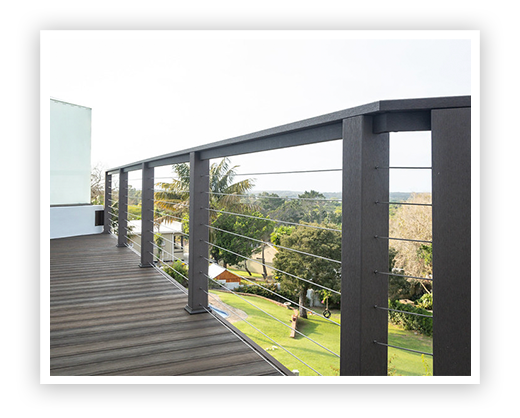
Some applications, such as balconies, upper-level screens, decorative partitions, or lightweight garden features, may require a lighter profile. Other applications may call for a more substantial architectural beam or framed system to create stronger visual impact.
Recommended Outdoor Screening Solutions
Outdoor screening is a broad application, so there is no single best product for every project. The right solution depends on what matters most: privacy, appearance, budget, durability, visibility from both sides, or architectural impact.

BEST FOR
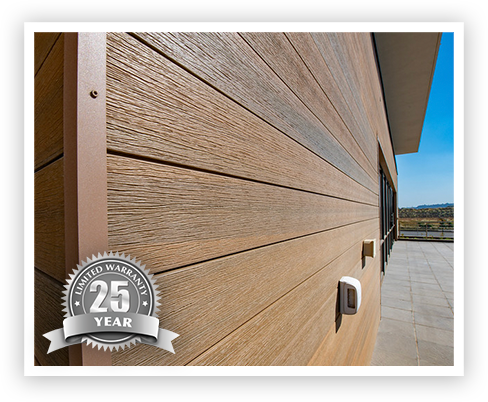
Architectural screening
Vertical or horizontal feature screens
Commercial and hospitality spaces
Screens that need stronger visual presence
Projects where the screen forms part of the overall design
A premium resort-style look
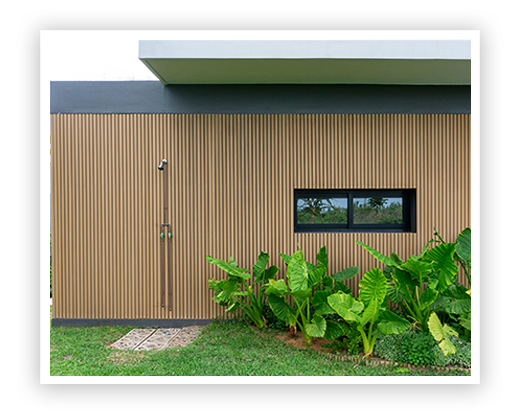
Upscale applications like outdoor showers or poolside privacy



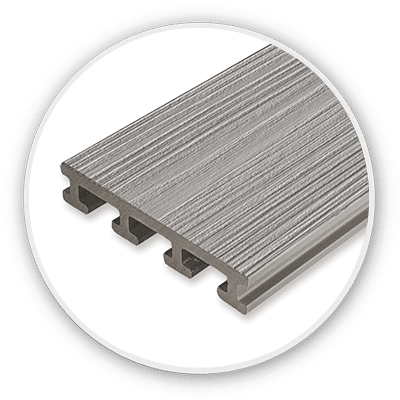
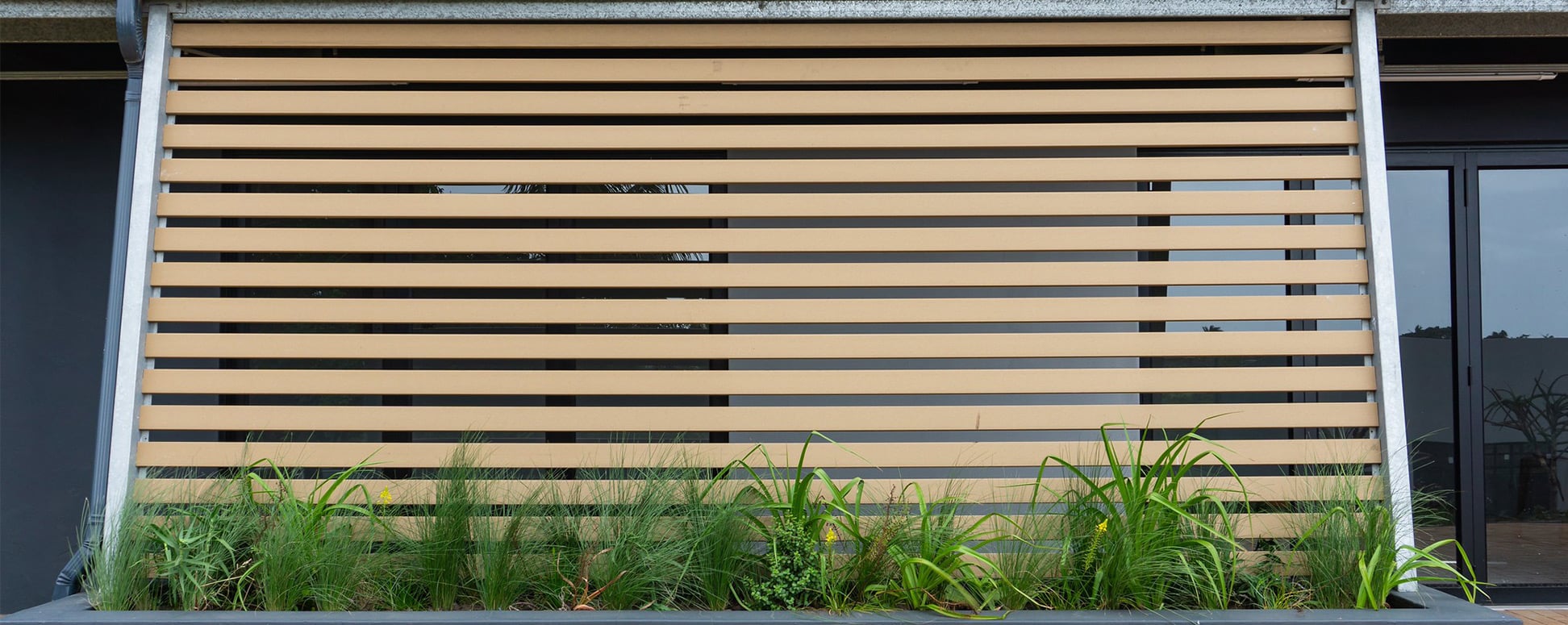
Apex and Infinity fascia boards are strong options where the screen needs to deliver a more premium finish while remaining practical and low maintenance. Fascia boards are often a good choice for screening because they provide a broader surface, are useful for privacy applications, and can create a clean, consistent timber-look appearance.
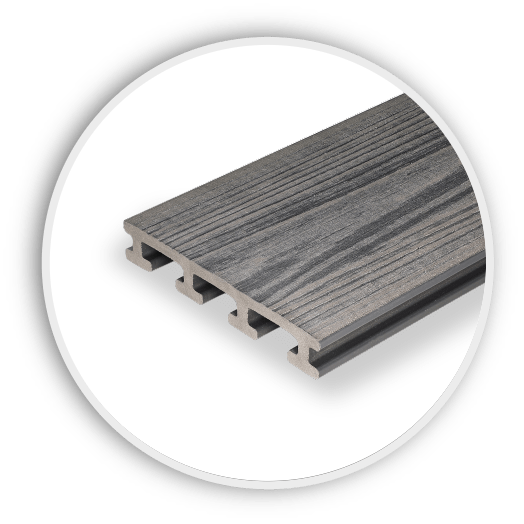
Pioneer is designed for homeowners who want the most realistic hardwood appearance available in a composite product. Using advanced digital print technology, Pioneer recreates the natural character, grain variation, and warmth of premium hardwood species with remarkable authenticity. While it offers excellent outdoor durability, Pioneer is most often chosen for projects where visual impact and luxury aesthetics are the primary consideration.
BEST FOR
rivacy screening between outdoor areas
Luxury pool surrounds
Decorative screens visible from both sides
Premium residential applications
Outdoor screens fixed to a frame
Projects where colour and finish are key design considerations

BEST FOR
Cost-conscious screening projects
Garden dividers and patio screens
Decorative screens visible from both sides
Premium residential applications
Outdoor screens fixed to a frame
Projects where colour and finish are key design considerations
Other Screening Options
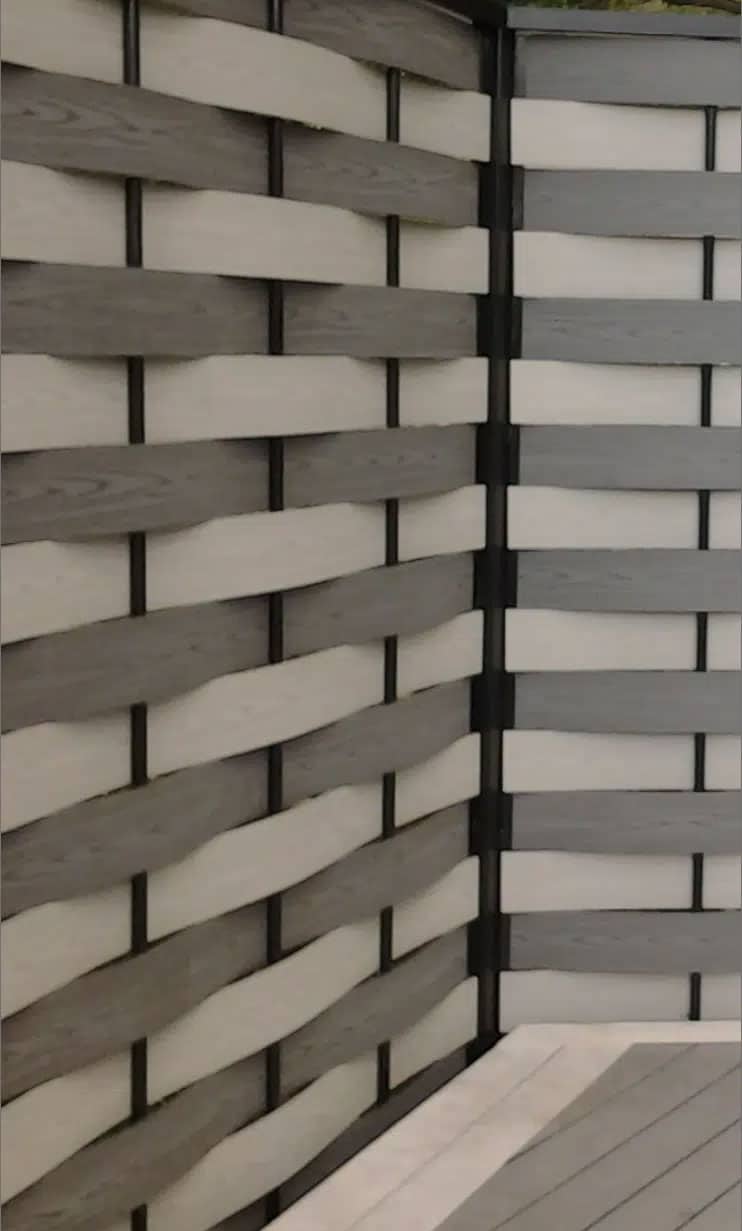
WEAVOLAS
Frequently Asked Questions
If the screen is visible from both sides, a double-sided product is usually recommended. This is common for freestanding screens, patio dividers, garden partitions, and privacy screens between outdoor areas. If the screen is fixed against a wall or only viewed from one side, other options may be suitable.